 DEATHINITION Assistant
When we talk about death in the 21st century, the conversation often starts and ends with passwords. „Who gets my Facebook login?“ or „How do I access the crypto wallet?“
While these are crucial questions, they only scratch the surface. To truly secure your digital existence, you need to understand that your online life isn’t just one big pile of data. It consists of three distinct pillars, each requiring a different approach, a different mindset, and different tools.
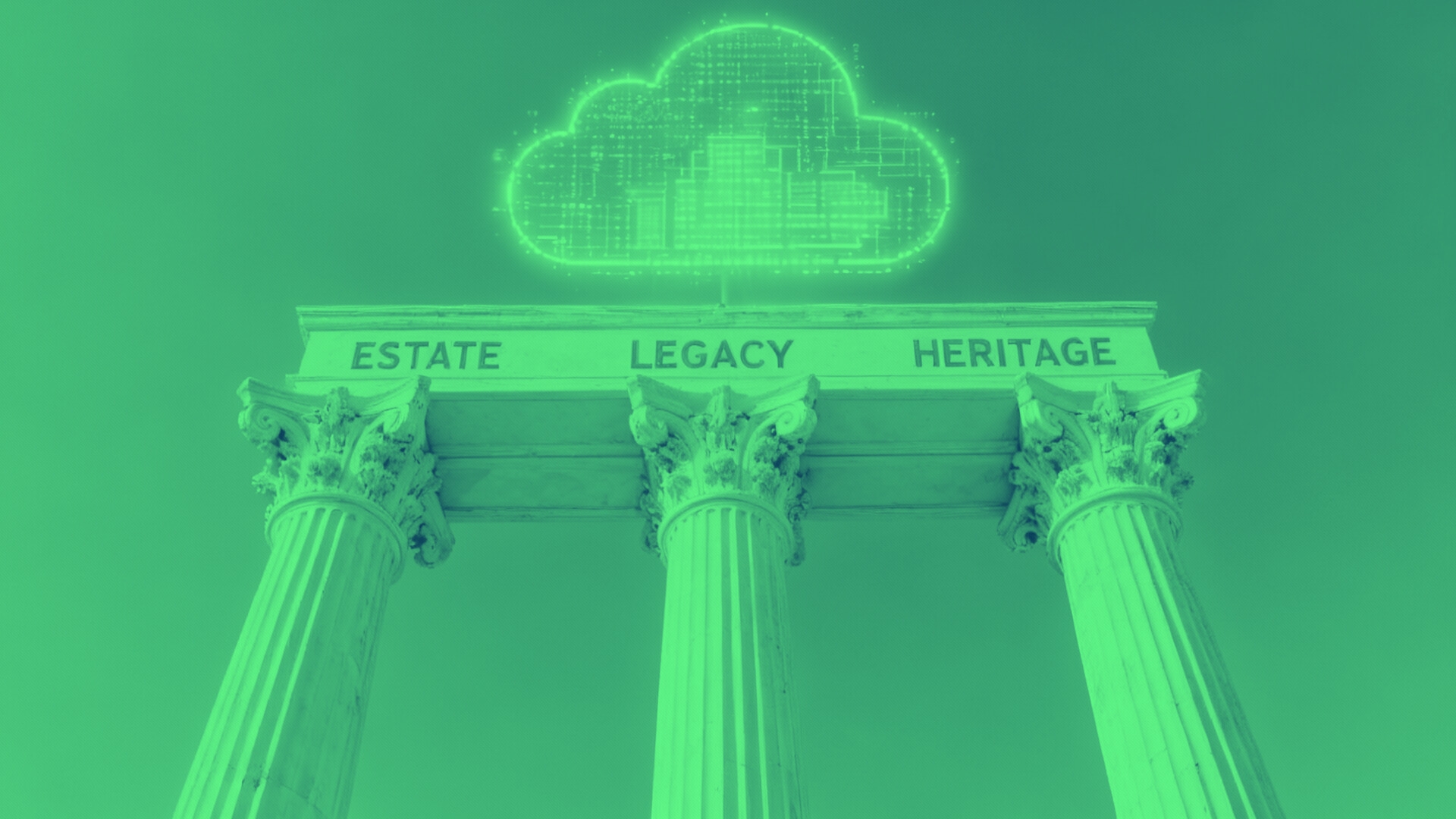
Scholars and experts distinguish between Digital Estate, Digital Legacy, and Digital Heritage.
Understanding the difference between these three concepts is the key to a comprehensive plan that protects your assets, honors your memory, and preserves your history.
The Big Picture: The 3-Pillar Model
Before we dive deep, let’s look at the framework. Most people confuse these terms, but distinguishing them will help you organize your to-do list effectively.
| Pillar | Term | Focus | Core Concept |
|---|---|---|---|
| 1. The Legal | Digital Estate | Assets & Law | Ownership, Contracts, Monetary Value |
| 2. The Emotional | Digital Legacy | Social & Ethical | Self-Determination, Reputation, Grief Work |
| 3. The Cultural | Digital Heritage | History & Culture | Preservation, Family History, Collective Memory |
Pillar 1: Digital Estate (The Legal Foundation)
The „Hard Facts“ and Assets
Digital Estate is the most commonly discussed pillar. It refers to the sum of your digital rights, duties, and assets. Legally, this is about ownership. Just like a physical bank account or a car, these are assets that need to be transferred to a new owner.
What belongs here?
- Financial Assets: PayPal, Online Banking, Cryptocurrencies (Bitcoin, Ethereum).
- Contracts: Subscriptions (Netflix, Spotify), software licenses, cloud storage contracts.
- Accounts: The legal ownership of your Facebook, Google, or Apple account.
The Goal: Legal Certainty
The primary goal here is to ensure the transfer of ownership and the prevention of financial loss. If you don’t plan this pillar, your heirs might face legal battles or lose access to funds.
Action Step: This pillar is managed through your Last Will and Testament and by organizing your passwords.
Read more: Digital Estate – 7 Best Ways to Protect Your Memories
Pillar 2: Digital Legacy (The Emotional Core)
How You Will Be Remembered
While the „Estate“ is about who owns the account, Digital Legacy is about what the account says about you. It is the ethical and social dimension of your afterlife. It’s about your reputation, your relationships, and the comfort of those you leave behind.
What belongs here?
- Social Media Profiles: Should your Instagram be memorialized or deleted?
- Communication: Your last WhatsApp chats, emails, and DMs.
- Active Shaping: Farewell messages, scheduled posts, or a curated photo album left specifically for your children.
The Goal: Self-Determination & Comfort
This pillar is about „Post-Mortem Privacy“ and „Digital Self-Determination.“ You decide how your digital avatar continues to exist. A well-planned Digital Legacy helps your grieving family by giving them a place to mourn (like a memorialized Facebook page) rather than a bureaucratic headache.
Action Step: This pillar is managed through platform-specific tools (like Apple’s Legacy Contact or Facebook’s Memorialization settings).
Read more: Facebook & Instagram After Death – How to Manage Your Social Legacy
Pillar 3: Digital Heritage (The Cultural Archive)
Preserving History for Future Generations
This is the pillar most people forget. Digital Heritage looks far into the future. It’s not just about your children, but your great-grandchildren. In the analog world, this was the shoebox of photos in the attic or the family bible. In the digital world, it is data preservation.
What belongs here?
- Family History: Digital genealogy, scanned letters, oral history recordings.
- Creative Work: Your blog, your digital art, your code, or your photography collection.
- Context: Not just the photo, but the metadata (who is in the photo, when was it taken?).
The Goal: Preservation Against „Digital Decay“
The biggest enemy of Digital Heritage is format obsolescence. Will a .jpg file still be readable in 100 years? Will the cloud service you use today still exist? Digital Heritage is about archiving your life so that it remains part of your family’s (and society’s) history. This concept is so vital that it is even recognized globally in the UNESCO Charter on the Preservation of Digital Heritage.
Action Step: This requires a robust Backup Strategy (the 3-2-1 rule) and curating your data. Don’t leave 50,000 random screenshots; leave 500 meaningful photos.
Why You Need All Three
Focusing on only one pillar leads to an incomplete plan:
- If you only plan the Estate: Your heirs get the money, but they might accidentally delete the only photos of your wedding because they didn’t know they were part of your „Heritage.“
- If you only plan the Legacy: You have a beautiful memorial page on Facebook, but your family can’t access your crypto wallet to pay for the funeral („Estate“ failure).
- If you ignore Heritage: Your data might be accessible today, but in 20 years, the file formats are corrupt, and your great-grandchildren will have no record of who you were.
Conclusion: Start Building Your Pillars
Your digital life is complex, and your death will be too. By breaking it down into Estate (Law), Legacy (Emotion), and Heritage (Culture), the overwhelming task of „digital estate planning“ becomes manageable.
Start with the Estate (the legal basics). Then, shape your Legacy (the emotional settings). Finally, secure your Heritage (the long-term archive).
Don’t know where to start?
Begin with Pillar 1 and secure your most critical data today.
Check out our guide: Digital Estate – 7 Best Ways to Protect Your Memories
Frequently Asked Questions
Is „Digital Legacy“ the same as „Digital Estate“?
No. In precise terminology, Digital Estate refers to the legal assets and rights (the „what“), while Digital Legacy refers to the emotional and social impact of those assets (the „meaning“).
Which pillar is the most important?
Legally, the Digital Estate is the most urgent to prevent financial loss. Emotionally, the Digital Legacy is the most important for your family’s grief process.
Do I need a lawyer for all three?
You primarily need a lawyer (or a valid will) for the Digital Estate. The Legacy and Heritage pillars are mostly technical and organizational tasks you can do yourself.
